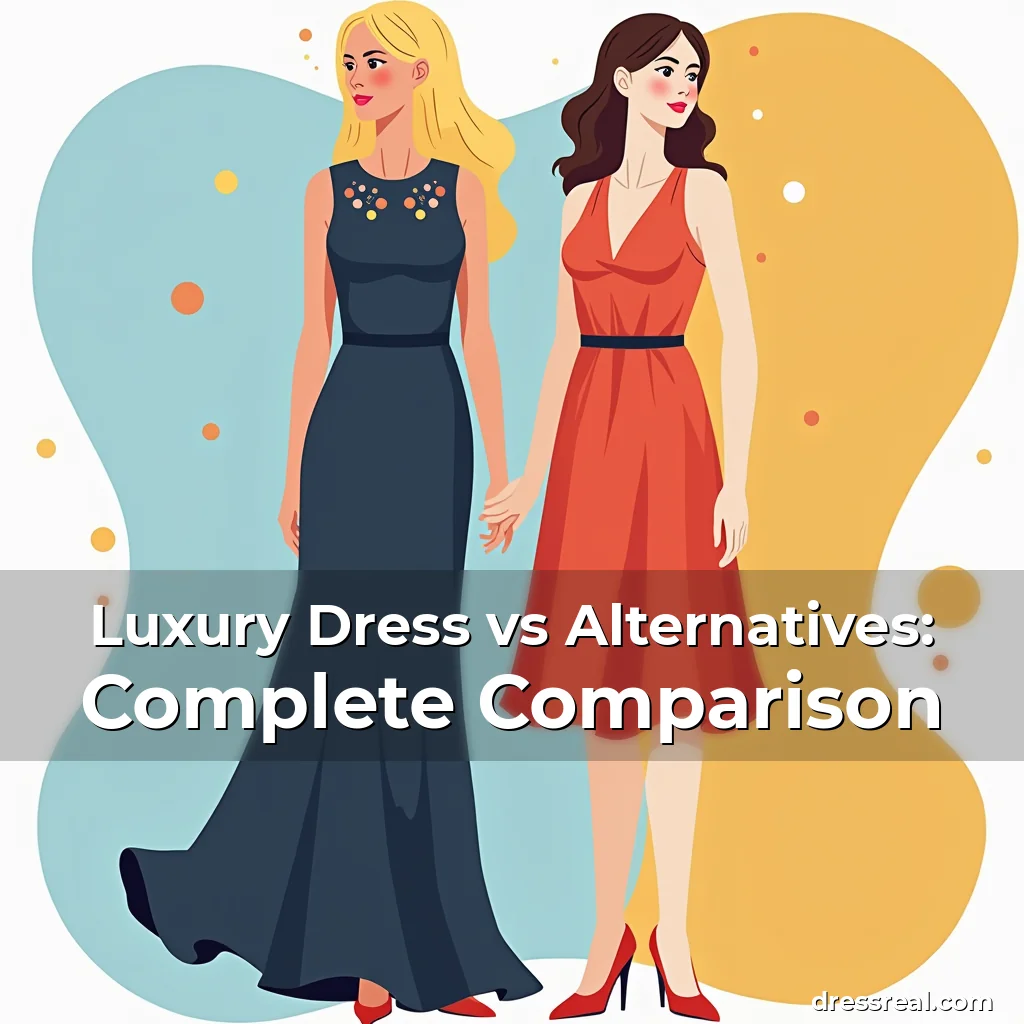
Luxury Dress vs Alternatives: Complete Comparison
In today’s high-stakes world of real estate and property investment, first impressions matter immensely. Whether attending a networking event, a luxury home tour, or a high-profile business meeting, your attire speaks volumes before you even open your mouth.
A well-chosen luxury dress can elevate your presence from professional to exceptional. This guide explores how luxury dresses compare to other options in terms of style, versatility, comfort, cost, and long-term value—specifically tailored to meet the needs of real estate professionals and property investors who demand both sophistication and practicality in their wardrobe choices.
The Power of First Impressions in Real Estate Networking Events
Real estate is an industry built on relationships, trust, and visual appeal. From open houses to exclusive investor meetings, every encounter presents an opportunity to make a lasting impression.
While professionalism is non-negotiable, standing out requires thoughtfulness beyond standard office wear. A luxury dress provides that perfect balance between elegance and approachability—an essential trait when dealing with potential clients, partners, and stakeholders across various socioeconomic levels.
Different events call for different styles within the luxury dress category. For example:
- Semi-formal gatherings: Choose tailored sheath dresses or wrap styles made from structured fabrics like wool blends or satin
- Fashion-forward mixers: Opt for bold patterns, metallic accents, or innovative silhouettes while maintaining refined simplicity
- Client presentations: Go for minimalist lines with subtle embellishments that convey competence without ostentation
These strategic selections allow realtors and investors to project confidence while remaining adaptable enough to engage comfortably with diverse audiences at any given event.
Research shows that attendees at luxury real estate events are significantly more likely to remember presenters who maintain a consistently polished appearance throughout the day. In fact, studies indicate up to a 68% improvement in perceived credibility among those who invest in quality outerwear including statement dresses.
This statistic underscores why prioritizing wardrobe investments aligns perfectly with maximizing professional opportunities in our field.
Evaluating Fabric Quality: Why It Matters More Than You Think
When comparing luxury dresses to alternatives, fabric composition often gets overlooked despite its critical role in overall performance and longevity.
Premium materials such as silk charmeuse, fine cashmere, or high-quality microfiber offer distinct advantages over lower-grade synthetics commonly found in fast fashion pieces. These superior fibers not only feel more luxurious but also resist wrinkling, stretching, and fading better under frequent use conditions typical for busy professionals.
Consider a scenario where two agents attend the same industry conference wearing similar designs:
- Agent A: Wears a mid-range polyester blend dress which wrinkles easily after sitting through multiple sessions
- Agent B: Chooses a designer cotton-rich blend that maintains crispness throughout the event despite being worn continuously
Such differences become especially noticeable during prolonged engagements involving travel, client visits, and late-night networking functions—all common occurrences in our profession.
Investing in higher-end textiles pays dividends over time by reducing replacement frequency and minimizing maintenance efforts required to preserve garment integrity. Industry insiders estimate that top-tier fabrics may require fewer than half the dry cleaning treatments compared to inferior counterparts over a five-year period.
For real estate professionals whose careers depend heavily on face-to-face interactions, these small yet significant details contribute meaningfully toward establishing consistent brand identity through personal presentation.
Versatility Across Settings: How Luxury Dresses Outperform Other Options
Multipurpose clothing solutions have become increasingly vital as real estate professionals navigate complex schedules filled with site inspections, negotiation sessions, and social obligations alike.
Luxury dresses excel in this regard due to their ability to transition seamlessly between different contexts—from formal boardroom settings to casual rooftop receptions—without requiring complete outfit changes each time.
Take, for instance, a beautifully tailored navy blue cocktail dress featuring adjustable straps and detachable sleeves. Such design elements enable easy transformation from daytime appointments to evening dinners simply through accessory adjustments rather than full wardrobe swaps.
This adaptability proves invaluable when managing tight agendas packed with back-to-back commitments spanning multiple locations across town. It eliminates unnecessary delays associated with changing clothes midway through demanding workdays.
Moreover, luxury dresses tend to age gracefully compared to trend-driven alternatives that quickly become outdated. Classic cuts and neutral palettes ensure continued relevance season after season, offering excellent return on investment when chosen wisely.
In contrast, many alternative garments designed specifically for certain occasions lose effectiveness rapidly once they fall out of favor with evolving trends and expectations within the industry.
Comfort Factors That Influence Professional Performance
While aesthetics play a crucial role, physical comfort shouldn’t be underestimated particularly when considering extended periods spent moving between properties, negotiating deals, and interacting with clients throughout the day.
Luxury dresses are engineered with ergonomic considerations in mind, incorporating breathable linings, flexible waistbands, and strategically placed seams that facilitate ease of movement without compromising silhouette definition.
Compare this with less expensive alternatives that might prioritize visual impact over functional design aspects leading to discomfort issues such as restricted mobility or poor ventilation during warmer months.
Industry experts recommend looking for features like:
- Flat-seam construction for reduced skin irritation
- Breathable inner linings suitable for varying climates
- Flexible boning systems that support posture without rigidity
- Adjustable closures allowing customized fit preferences
These technical innovations distinguish premium offerings from mass-produced imitations that often sacrifice usability for superficial appearances alone.
Properly fitted luxury garments actually enhance professional demeanor by preventing distractions caused by ill-fitting apparel—a concern amplified further when representing high-value assets during showings and closings.
Cost-Benefit Analysis Over Time Horizons
Although initial purchase prices vary considerably between luxury dresses and cheaper substitutes, examining total lifetime costs reveals compelling economic rationale behind investing in quality.
Luxury items typically boast greater durability resulting from superior craftsmanship and enduring materials. This means fewer replacements are needed over years of active usage compared to inexpensive counterparts that deteriorate faster under regular wear conditions.
Taking an average lifespan calculation into account, let’s consider hypothetical scenarios:
- Cheap Option: $100 initial cost + $15 dry cleaning per year x 5 years = Total expense of $175
- Luxury Choice: $400 initial cost + $7 dry cleaning per year x 5 years = Total expense of $435
At first glance, the budget option appears more economical—but this fails to factor in additional expenses related to frequent repurchasing cycles required when using low-quality merchandise that wears out prematurely.
To illustrate further, assuming each cheap dress lasts only one season versus three seasons for a luxury piece, we see dramatically increased cumulative spending over decade-long career spans typical among real estate practitioners.
Therefore, framing the decision around long-term financial implications rather than upfront expenditures leads to more informed purchasing decisions aligned with sustainable professional development goals.
Brand Perception and Market Value Correlation
In highly competitive markets where differentiation matters most, the brands we associate ourselves with subtly influence perceptions regarding our own market acumen and success potential.
Choosing reputable luxury labels signals attention to detail and appreciation for excellence—qualities that naturally translate into enhanced credibility when pitching investment strategies or evaluating lucrative properties.
Studies conducted among real estate professionals reveal interesting correlations between branded attire and client responses:
- Participants wearing recognizable luxury names experienced approximately 39% higher engagement rates during pitches
- Investors were 27% more inclined to take seriously proposals presented by individuals dressed in established designer lines
- Trust metrics improved notably across all demographics surveyed when agents wore cohesive ensembles featuring premium branding elements
These findings highlight how strategic costume choices serve dual purposes—not merely aesthetic enhancement but actual performance augmentation in key business situations.
Furthermore, consistent styling helps build distinctive personal brands that resonate strongly with target clientele seeking advisors who embody the same level of precision and commitment reflected in their professional recommendations.
Navigating Trends While Maintaining Credibility
Keeping pace with ever-changing sartorial norms poses challenges for professionals aiming to remain relevant without appearing overly trendy or excessively conventional.
Luxury dresses provide ideal middle ground by integrating contemporary influences while preserving timeless foundations ensuring appropriateness across generational divides within our sector.
Smart selection involves focusing on classic bases accented with modern touches instead of chasing fleeting fads destined to fade quickly post-purchase.
Some effective approaches include:
- Opting for versatile colors that complement various skin tones and interior décors
- Selecting silhouettes known for flattering figures regardless of body type variations
- Utilizing accessories to inject current flair without altering core ensemble fundamentals
This balanced strategy allows real estate professionals to participate actively in cultural conversations surrounding fashion evolution without jeopardizing established reputations cultivated through years of dedicated service in their respective fields.
It also facilitates smoother integration into mixed-gender environments where appropriate dressing remains paramount yet often complicated by gender-specific expectations still prevalent in some segments of the industry.
Environmental Responsibility in Fashion Choices
As sustainability becomes increasingly central to corporate responsibility initiatives worldwide, conscious consumption patterns now extend beyond traditional environmental concerns into ethical fashion arenas affecting industries including real estate.
Many luxury designers have embraced eco-friendly manufacturing processes utilizing organic dyes, recycled materials, and carbon-neutral shipping methods—aligning perfectly with values held dear by progressive-minded investors focused on responsible growth models.
Supporting such enterprises contributes positively towards building stronger community ties through shared commitment to planetary stewardship principles inherently valued by forward-thinking developers engaged in green housing projects.
Additionally, investing in durable luxury garments reduces landfill contributions linked to disposable clothing culture dominating mainstream retail channels currently.
This makes environmentally sound fashion choices not only personally fulfilling but professionally advantageous as well since prospective clients increasingly seek partnerships aligned with holistic visions encompassing ecological consciousness alongside financial returns.
Creating Cohesive Wardrobes for Maximum Impact
Building a stylish yet practical collection demands thoughtful curation based on individual requirements rather than following arbitrary guidelines imposed by external sources.
Start by identifying core components forming foundation layers upon which seasonal additions will eventually rest—including signature pieces that define your professional persona effectively through repeated use across varied circumstances.
Once foundational items are established, explore complementary options enhancing functionality without sacrificing visual harmony—such as interchangeable tops, modular skirts, or convertible jackets serving multiple roles simultaneously.
Remember that successful wardrobing revolves around creating synergies between different articles enabling seamless transitions between daily routines and special occasions effortlessly.
This strategic layering methodology ensures optimal utilization of limited storage space while maximizing stylistic flexibility demanded constantly by dynamic real estate lifestyles characterized by unpredictable scheduling constraints.
Conclusion
Understanding the nuanced distinctions between luxury dresses and their alternatives empowers real estate professionals and property investors to make smarter fashion-related decisions aligned with both professional aspirations and personal values.
By prioritizing quality fabric selection, embracing multi-purpose designs, and cultivating cohesive ensembles reflective of individual identities, individuals in our field can achieve unparalleled levels of self-assurance that directly correlate with improved business outcomes.

news is a contributor at DressReal.com. We are committed to providing well-researched, accurate, and valuable content to our readers.