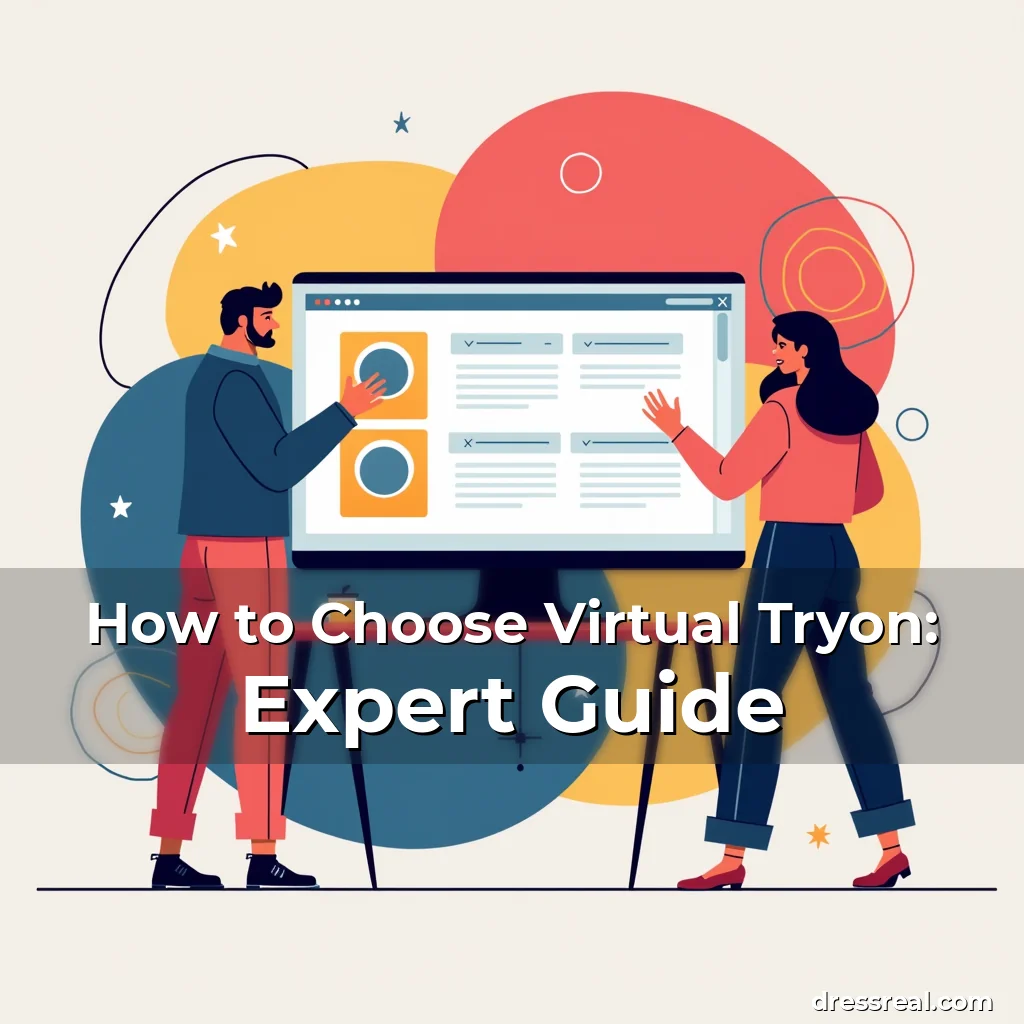
How to Choose Virtual Tryon: Expert Guide
In an era where digital innovation reshapes every industry, real estate professionals and property investors face mounting pressure to adapt swiftly. Traditional methods of staging homes, showing properties, and managing client expectations are evolving rapidly, driven by technologies like virtual try-on systems. These tools empower stakeholders to visualize spaces with unprecedented accuracy.
The integration of virtual try-on in real estate goes far beyond mere convenience—it redefines efficiency, engagement, and profitability. By enabling immersive experiences, professionals can bridge geographical gaps, streamline decision-making processes, and elevate client satisfaction across diverse markets.
Understanding Virtual Try-On in Real Estate
Virtual try-on refers to the use of advanced software and hardware to simulate the appearance of items within a space before they’re physically placed. In real estate, this technology extends to furniture, decor, flooring, and even architectural modifications. It allows buyers, sellers, and agents to experiment with design choices in real time.
This approach leverages augmented reality (AR), artificial intelligence (AI), and high-resolution imaging to
- Data Security Protocols: Implement encryption standards and secure login mechanisms to safeguard sensitive client information stored digitally.
- Diversity & Inclusion Standards: Curate inclusive design libraries representing varied demographics to prevent unintentional biases affecting user experiences.
Fostering Community Engagement With Virtual Try-On
Community building thrives on shared experiences. Hosting virtual open houses where attendees interactively customize interiors together creates memorable events. Such initiatives strengthen neighborhood bonds while promoting the property simultaneously.
Encouraging peer reviews post-virtual try-on sessions adds social proof value. Integrating rating systems lets participants share feedback anonymously, contributing to community discussions around design aesthetics and functional suitability of various spaces.
- Interactive Q&A Sessions: Organize live demos featuring designers answering questions about color schemes or layout ideas suggested during virtual walkthroughs.
- Local Partnerships: Collaborate with interior decorators or architects for exclusive virtual consultations, enhancing overall service offerings beyond standard brokerage functions.
Future Innovations Shaping Virtual Try-On Landscapes
The horizon promises exciting developments poised to redefine virtual try-on capabilities further. Emerging technologies like neural rendering aim to produce ultra-realistic simulations indistinguishable from reality itself. These advancements could revolutionize pre-construction visualization techniques dramatically.
Integration with IoT devices enables smarter interactivity; imagine adjusting thermostat temperatures within simulated environments or hearing ambient sounds associated with different rooms. Such multisensory enhancements deepen immersion levels significantly compared to current iterations.
- Haptic Feedback Systems: Upcoming gloves providing tactile sensations mimic touch interactions realistically, bridging sensory gaps currently present in purely visual experiences.
- Immersive Storytelling Elements: Incorporating narrative arcs into virtual journeys transforms passive observation into active participation, creating emotionally resonant encounters with properties.
Measuring ROI and Long-Term Benefits
To justify investment decisions accurately, measuring return on investment becomes necessary. Track metrics including reduced showings due to effective virtual previews, increased offer acceptance rates following enhanced visualization sessions, and overall revenue growth attributable to improved client conversions.
Longitudinal studies indicate sustained advantages stemming from early adopters’ positions. Businesses leveraging virtual try-on consistently report higher repeat client rates attributed to strengthened relationships built upon exceptional service delivery facilitated by these technologies.
- Client Retention Rates: Monitor whether recurring engagements increase post-adoption indicating successful establishment of brand loyalty linked to positive digital experiences.
- Operational Cost Savings: Quantify reductions achieved in travel expenses, temporary rental fees for staging props, and administrative overhead traditionally associated with conventional showcasing methods.
Conclusion
VIRTUAL TRYON represents a paradigm shift transforming how real estate professionals engage with clients and manage properties. Its capacity to merge technological prowess with human-centric design principles establishes a compelling case for widespread adoption across sectors.
By thoughtfully selecting appropriate tools, embracing continuous learning curves, and staying attuned to ethical considerations, practitioners position themselves advantageously amid ongoing transformations shaping modern real estate landscapes. Embracing virtual try-on isn’t merely optional—it’s essential for thriving amidst tomorrow’s expectations.

news is a contributor at DressReal.com. We are committed to providing well-researched, accurate, and valuable content to our readers.