The Timeless Elegance of Slow Style in Real Estate Aesthetics
In an era defined by rapid transformations and fleeting trends, the concept of slow style emerges as a refreshing counterpoint within the realm of real estate aesthetics. This philosophy emphasizes enduring value over transient fads, aligning perfectly with the long-term vision that characterizes professional real estate agents and savvy property investors.
Slow style is not merely a design approach; it represents a strategic mindset that prioritizes quality craftsmanship, sustainable materials, and intentional spatial arrangements. For those navigating the complex landscape of property investment, understanding this aesthetic can provide significant advantages in both attracting discerning buyers and maintaining asset value over time.
The Philosophy Behind Slow Style
Slow style draws inspiration from the broader movement of slow living, which advocates for mindful consumption and deliberate choices in everyday life. In the context of real estate, this translates to creating spaces that reflect personal values while ensuring longevity and adaptability across generations.
This philosophy challenges traditional notions of interior design by shifting focus away from seasonal trends toward timeless elements that transcend passing fashions. It encourages professionals to consider how different design decisions will impact occupant comfort, functionality, and overall satisfaction years down the line.
- Eternal Value: Properties designed with slow style principles often maintain their appeal longer than trend-driven alternatives, making them more attractive to future buyers.
- Craftsmanship Focus: Emphasis on high-quality construction techniques ensures durability against wear and tear, reducing maintenance costs over time.
Applying Slow Style Principles in Property Development
For developers aiming to create lasting impressions through thoughtful architecture, integrating slow style requires careful consideration of material selection and structural integrity. Choosing natural finishes like reclaimed wood or stone not only adds visual warmth but also contributes to environmental sustainability.
Structural decisions must balance form with function, avoiding excessive ornamentation that might become outdated quickly. Instead, clean lines and versatile layouts allow properties to accommodate evolving needs without requiring costly renovations.
A key aspect involves selecting flooring options that withstand heavy foot traffic while remaining aesthetically pleasing. Materials such as polished concrete or engineered hardwood offer both resilience and elegance suitable for various property types.
Design Elements That Define Slow Style Spaces
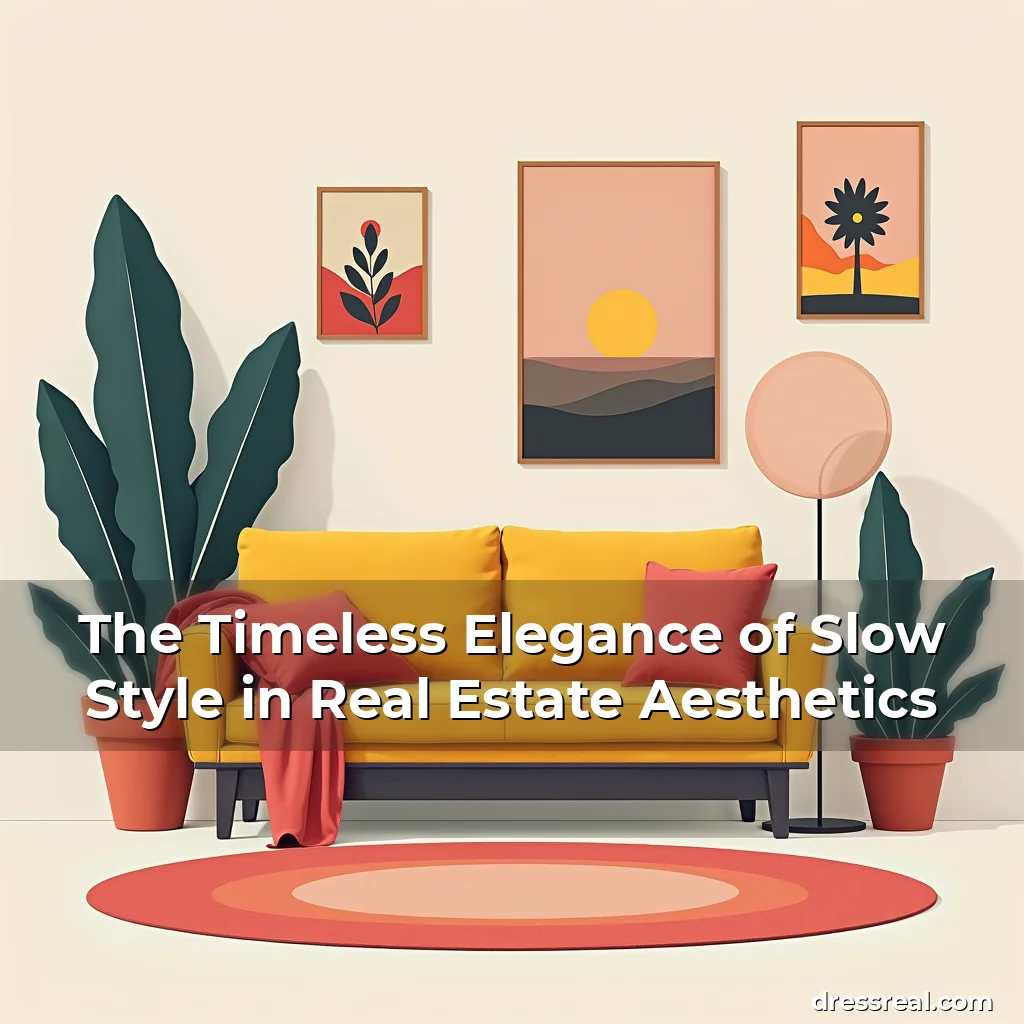
The hallmark features of slow style interiors include minimalist decor, neutral color palettes, and organic textures. These elements combine to create environments that feel serene yet functional, appealing to individuals seeking tranquility amidst modern urban settings.
Lighting plays a crucial role in defining the ambiance of these spaces. Natural light maximization through strategically placed windows enhances mood while reducing energy consumption. When artificial lighting is necessary, warm LED fixtures complement rather than overpower the existing atmosphere.
Furniture selections prioritize comfort alongside aesthetics. Pieces crafted from solid wood or metal with simple designs endure better than mass-produced items prone to obsolescence. Ergonomic considerations ensure usability remains optimal even after prolonged use.
Case Studies Demonstrating Slow Style Success
One notable example comes from a residential project in Scandinavia where architects embraced slow style principles to transform old industrial buildings into vibrant community hubs. By preserving original architectural features like exposed brickwork and wooden beams, they created spaces rich in history while incorporating contemporary comforts.
The result was a development that attracted diverse demographics ranging from young professionals to families. The blend of heritage elements with modern conveniences demonstrated how slow style could successfully bridge generational preferences.
Statistical analysis showed increased occupancy rates compared to similar developments using conventional design approaches. Residents reported higher levels of satisfaction due to the harmonious integration of past and present design philosophies.
Investment Implications of Adopting Slow Style
From an investor’s perspective, adopting slow style strategies offers several financial benefits beyond immediate aesthetics. Properties built with durable materials tend to require fewer repairs, translating into lower maintenance expenses over time.
Market research indicates that homes featuring classic design elements sell faster during downturns when buyers seek stability rather than novelty. This makes slow style particularly advantageous in uncertain economic climates where predictability becomes paramount.
Moreover, energy-efficient design components inherent in many slow style projects contribute to reduced utility bills, enhancing long-term profitability for commercial properties operating under tight budget constraints.
Challenges in Implementing Slow Style Approaches
Despite its numerous advantages, implementing slow style in real estate faces certain obstacles related to cost perceptions and market expectations. Many clients initially associate slower production timelines with higher prices, failing to recognize potential savings from reduced renovation cycles later on.
Educating stakeholders about lifecycle costs versus upfront investments proves essential in overcoming misconceptions surrounding slow style initiatives. Demonstrating tangible examples of successful implementations helps build confidence among hesitant decision-makers.
Additionally, there exists a need for industry-wide standards that define what constitutes true slow style practice. Clear guidelines would help prevent superficial interpretations that dilute the core principles behind this approach.
Future Trends Shaping Slow Style Evolution
As technology advances continue influencing architectural practices, new tools are emerging that support slow style objectives. Smart home systems integrated thoughtfully into designs enhance convenience without compromising simplicity or elegance.
Advancements in eco-friendly building materials now enable developers to achieve desired aesthetics sustainably. Innovations in insulation technologies further reinforce energy efficiency goals aligned with slow style ideals.
Predictive analytics applications show promise in helping designers anticipate future usage patterns, allowing them to craft adaptable spaces capable of meeting changing demands effectively.
Conclusion
The adoption of slow style in real estate aesthetics presents a compelling opportunity for professionals seeking to differentiate themselves through meaningful design choices. This approach fosters deeper connections between occupants and their environments by emphasizing authenticity and permanence.
By embracing slow style principles, real estate practitioners can position themselves at the forefront of an increasingly conscious consumer base valuing substance over spectacle. As markets evolve towards greater appreciation for enduring beauty, those who champion this philosophy stand poised for continued success and influence within the industry.